
Septic Tank Wiring
- Home
- Septic Tank Wiring
Professional Septic Tank Electrical Services in Cumming, Georgia
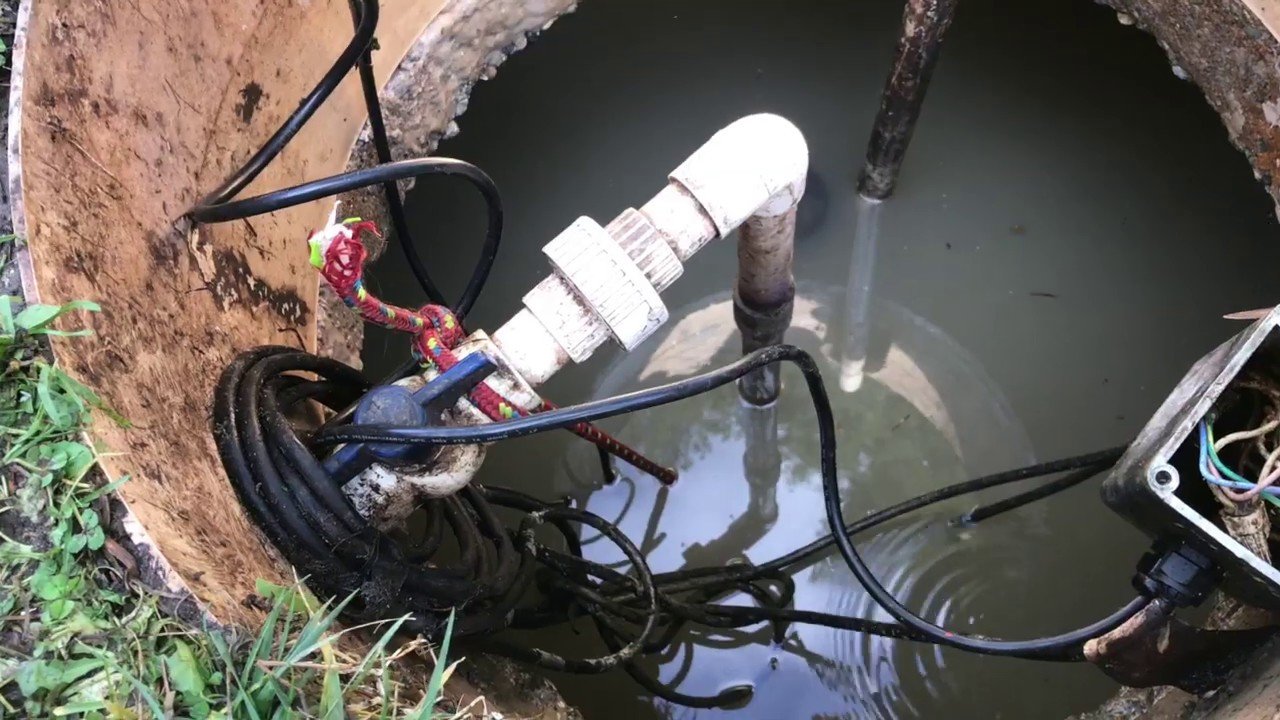
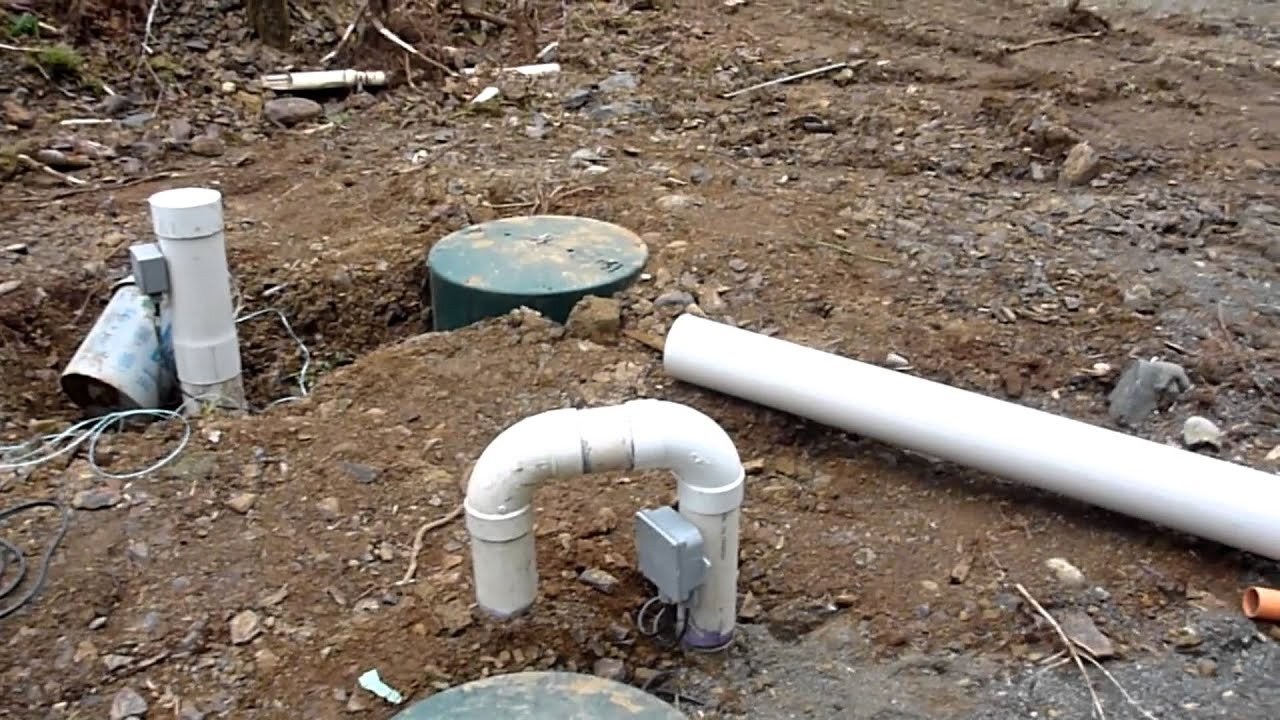
If you have a septic system, you rely on electricity more than you might realize. Most modern septic systems include an alarm that warns you when the tank is full or the pump has failed. Many also include a lift pump that moves effluent from the tank to the drain field, especially if the drain field is uphill from your home or if you have a mound system or pressure distribution. When the electrical components of your septic system fail, you won’t know until you have a problem — a flooded yard, sewage backup into your home, or a failed health inspection when selling your property. And because septic electrical components are located outdoors, often underground or in damp environments, they require special waterproof connections, GFCI protection, and corrosion-resistant materials.
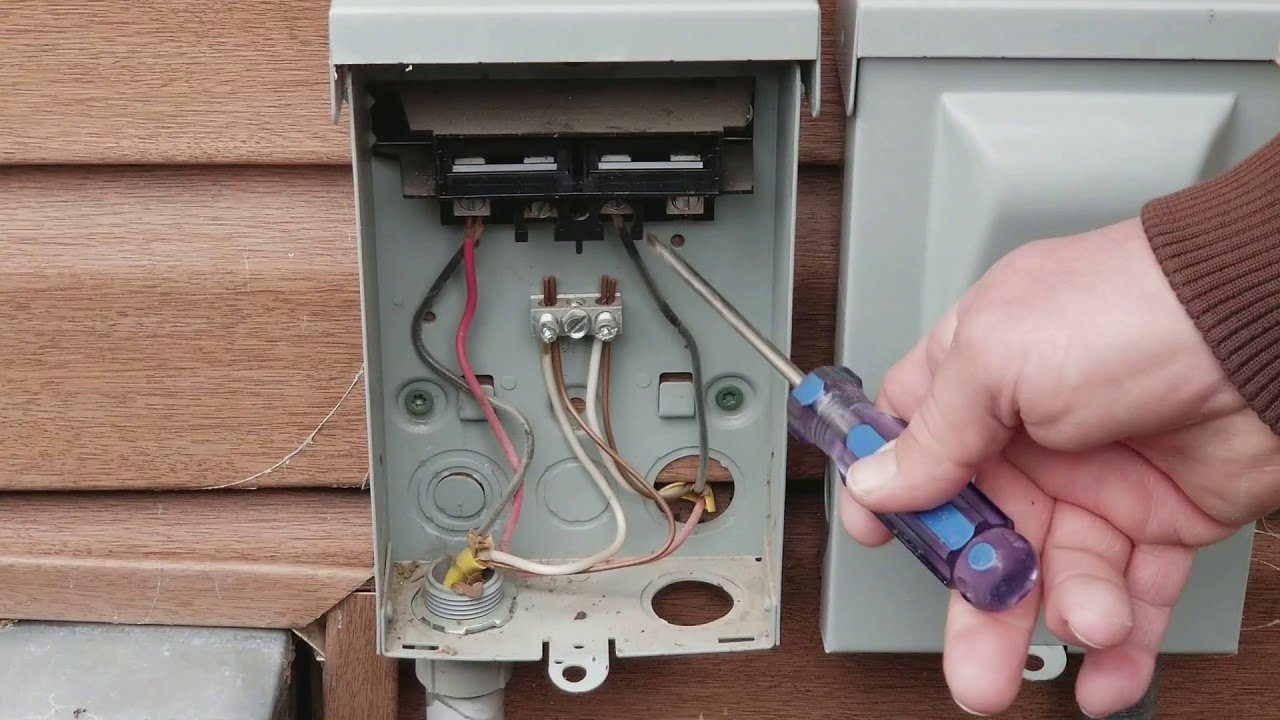
At Rob Ingram’s Freestyle Lighting and Electrical, we specialize in septic system electrical work. We install, repair, and replace septic tank alarms, lift pump electrical circuits, float switches, control panels, and outdoor disconnects. We understand the specific requirements for outdoor and underground wiring, including direct burial cable depth requirements, watertight conduit, and proper GFCI placement. We also offer free panel inspection to ensure your septic circuits are properly breakered and labeled. Our service area includes Cumming, Alpharetta, Dawsonville, Gainesville, and all of North Georgia — including rural properties with septic systems. Call us today before a septic problem becomes a disaster.
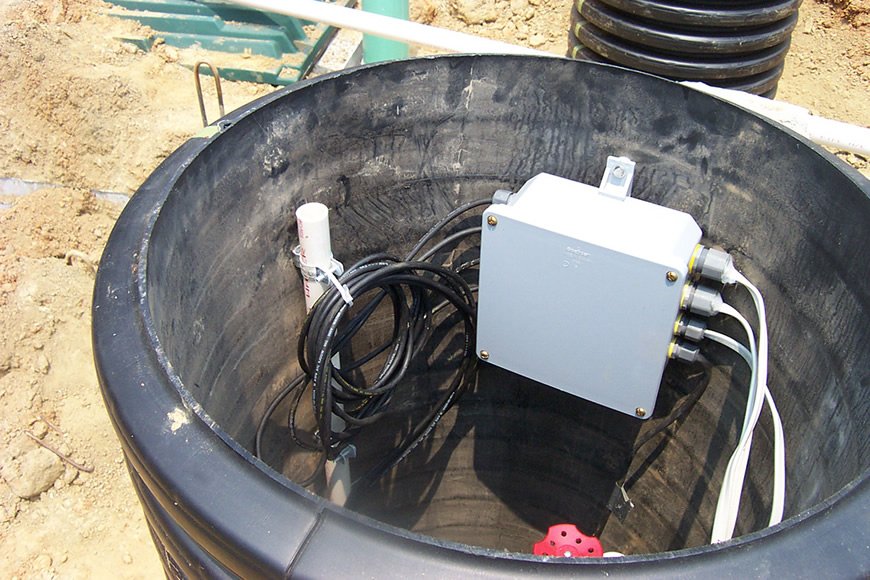
Septic electrical problems are often overlooked because the system is out of sight and out of mind — until it fails. We’ve been called to homes where the septic alarm had been beeping in the basement for months, ignored by the homeowner until the yard flooded with sewage. We don’t judge. We fix it. Our septic wiring installations use weatherproof junction boxes, sealed connectors, and corrosion-resistant fittings that stand up to Georgia’s humidity and soil conditions. We also label everything clearly at your panel so future homeowners or septic service technicians know which breaker controls the pump and which controls the alarm. Plus, we’re available 24/7 for emergency septic electrical repairs — because sewage backups can’t wait until morning.
- Septic alarm installation and repair — know when your tank is full
- Lift pump electrical circuits — for uphill drain fields and mound systems
- Weatherproof and direct burial connections — built to last underground
- Free panel inspection and circuit labeling with every septic electrical service
A: If you have a lift pump (effluent pump), it needs electricity to move waste from the tank to the drain field. The septic alarm also needs power to warn you of a full tank or pump failure. Gravity systems without pumps don't require electricity.
A: First, check that the alarm and pump breakers in your panel are on. If they are, do not run water or flush toilets. Call us immediately. A beeping alarm usually means your tank is full or the pump has failed — a sanitary emergency.
A: Yes. We can add a high-water alarm to almost any septic tank. The alarm includes a float switch inside your tank and a control box with an audible beeper and light, usually installed in your basement, garage, or laundry room.
A: We recommend inspecting your septic electrical system every time you have your tank pumped (typically every 3-5 years). We'll check the alarm, float switches, wiring connections, and GFCI protection. It's a small investment to prevent a big disaster.